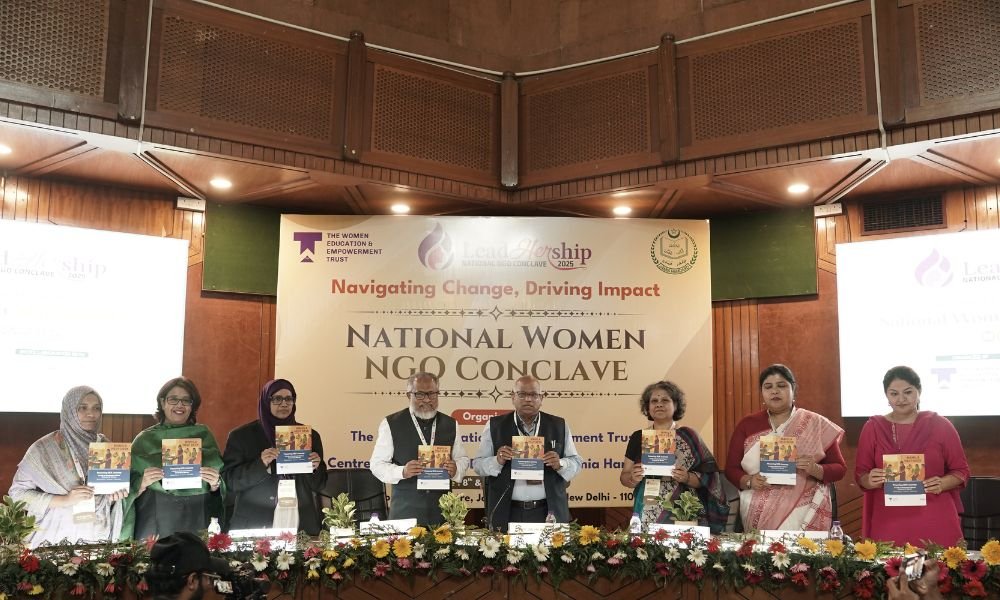
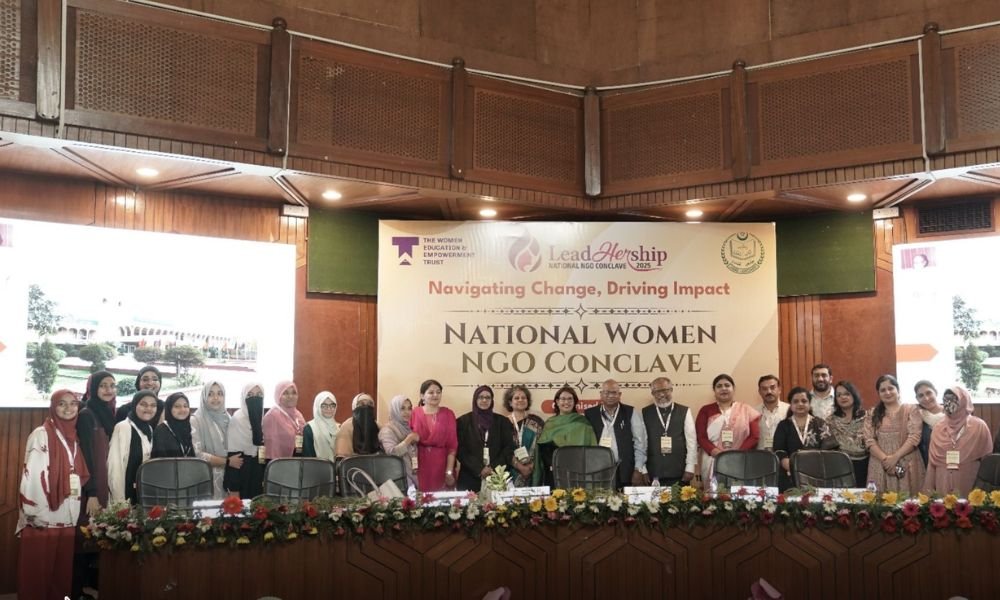
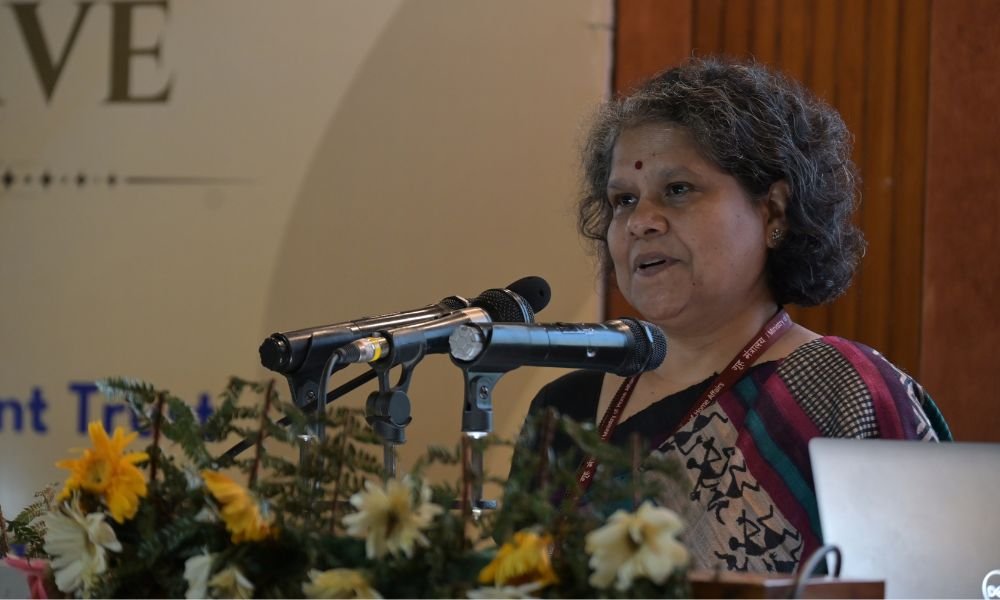
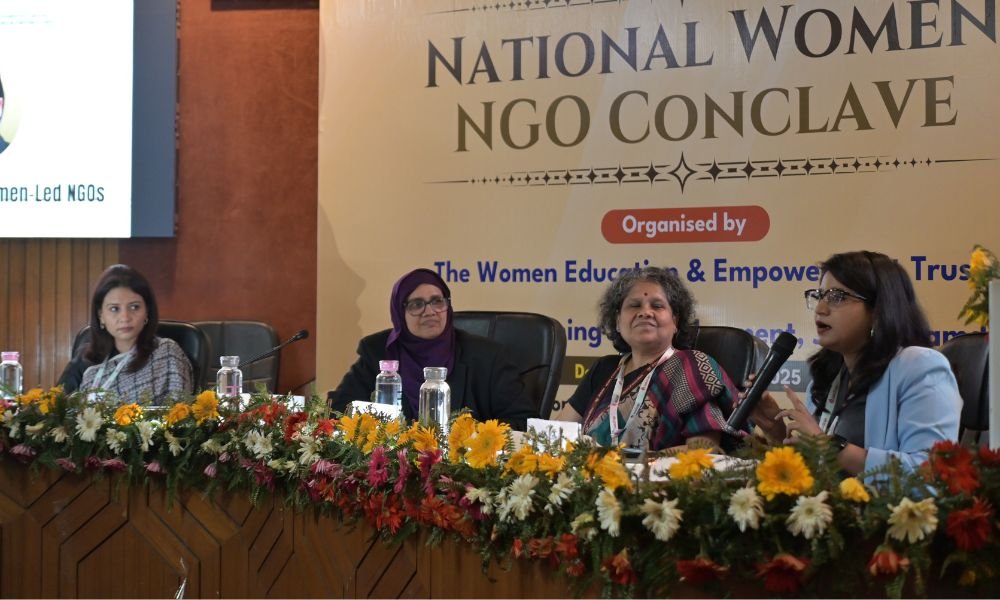
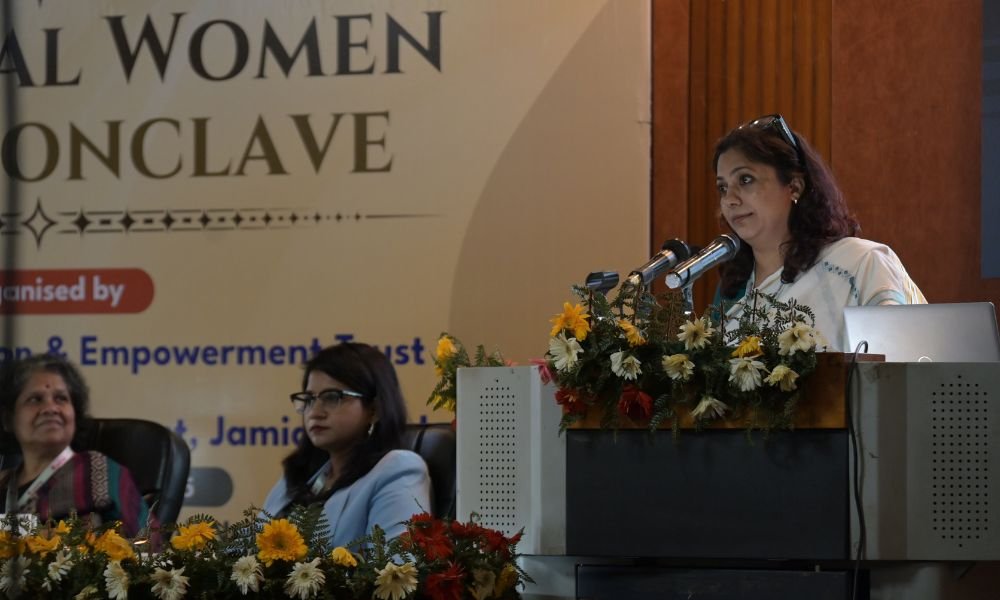
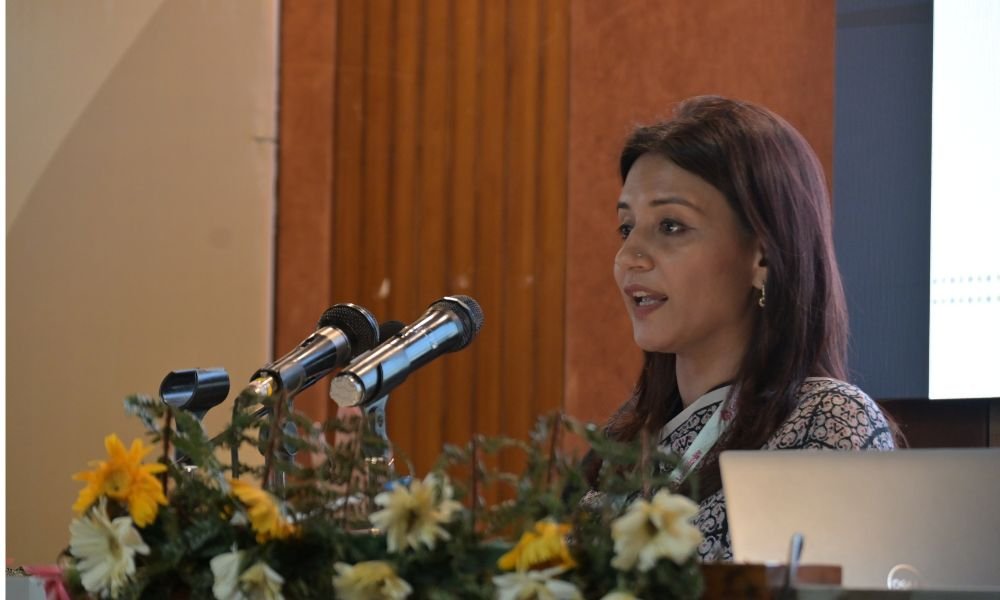
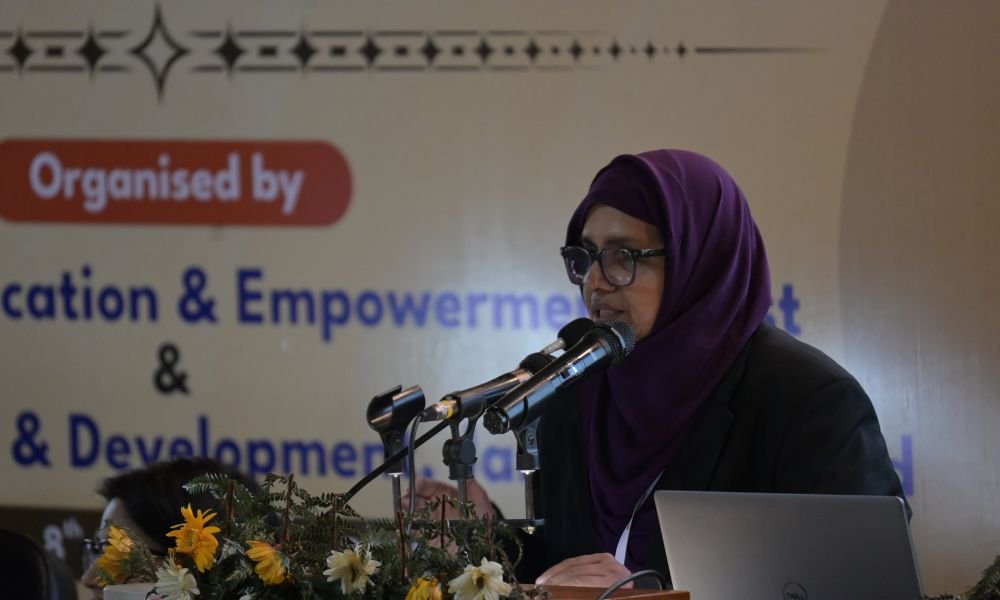
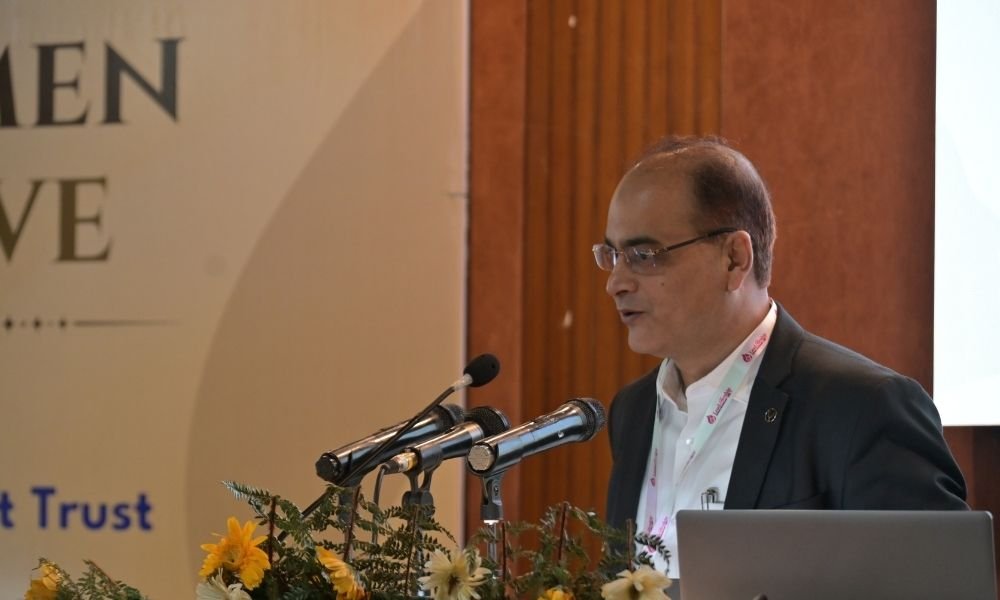
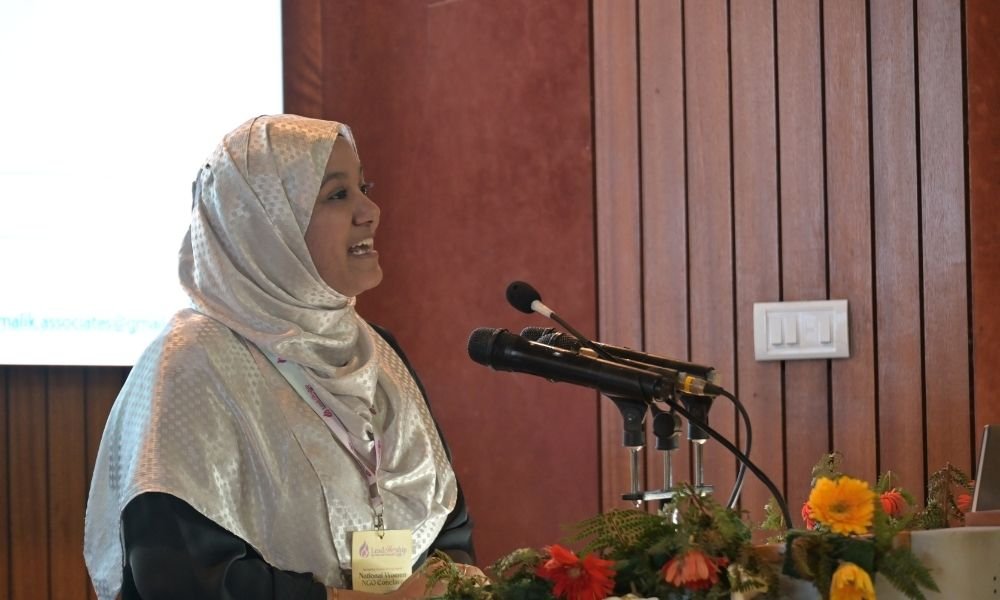
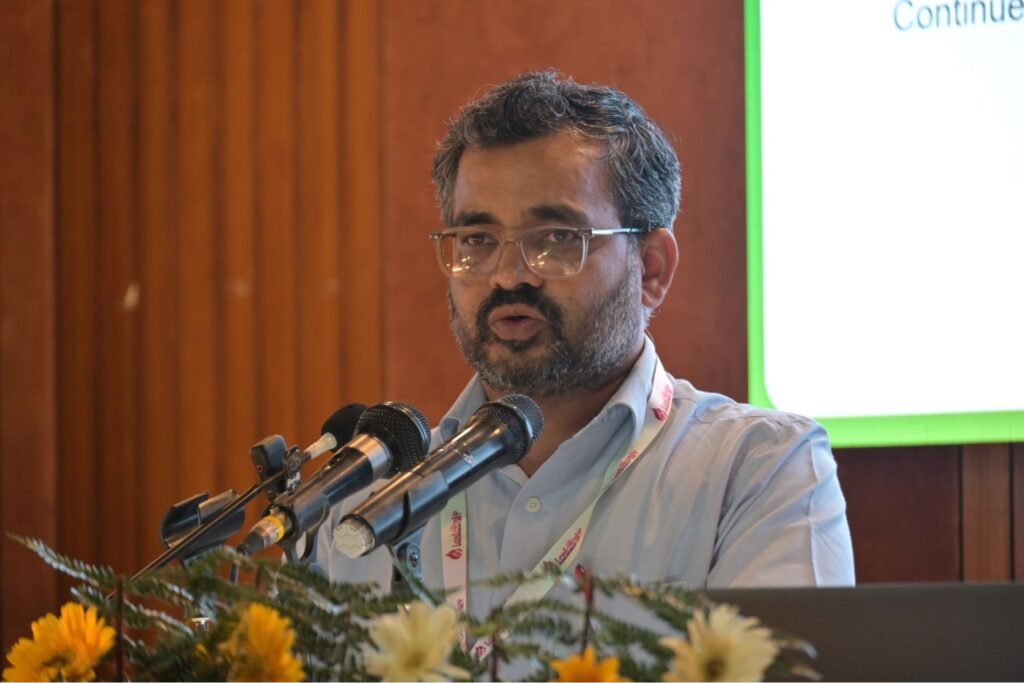
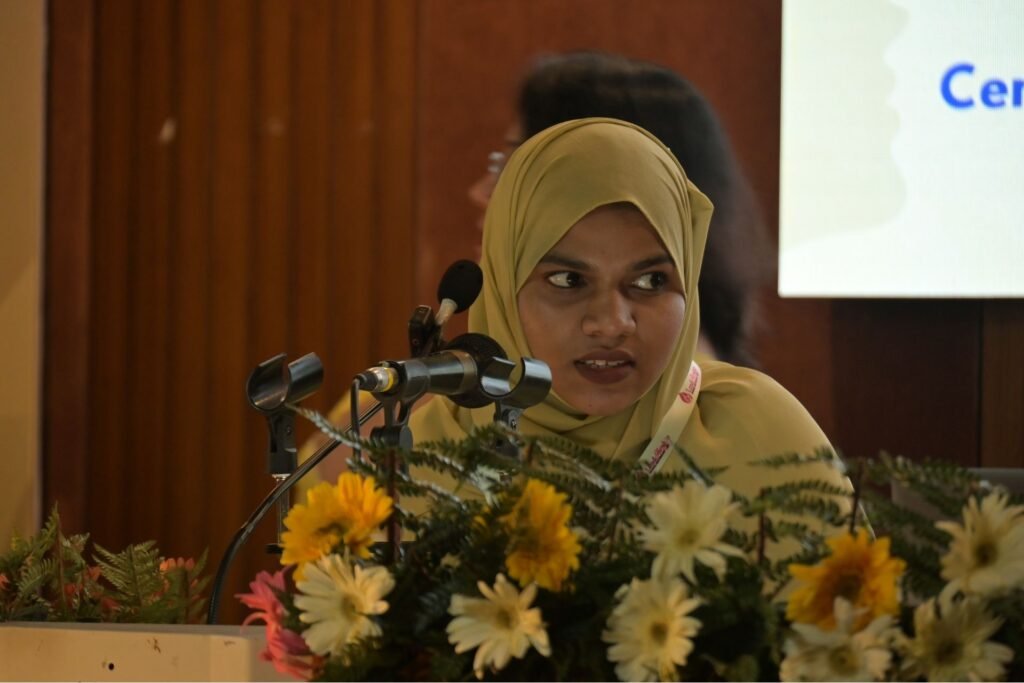
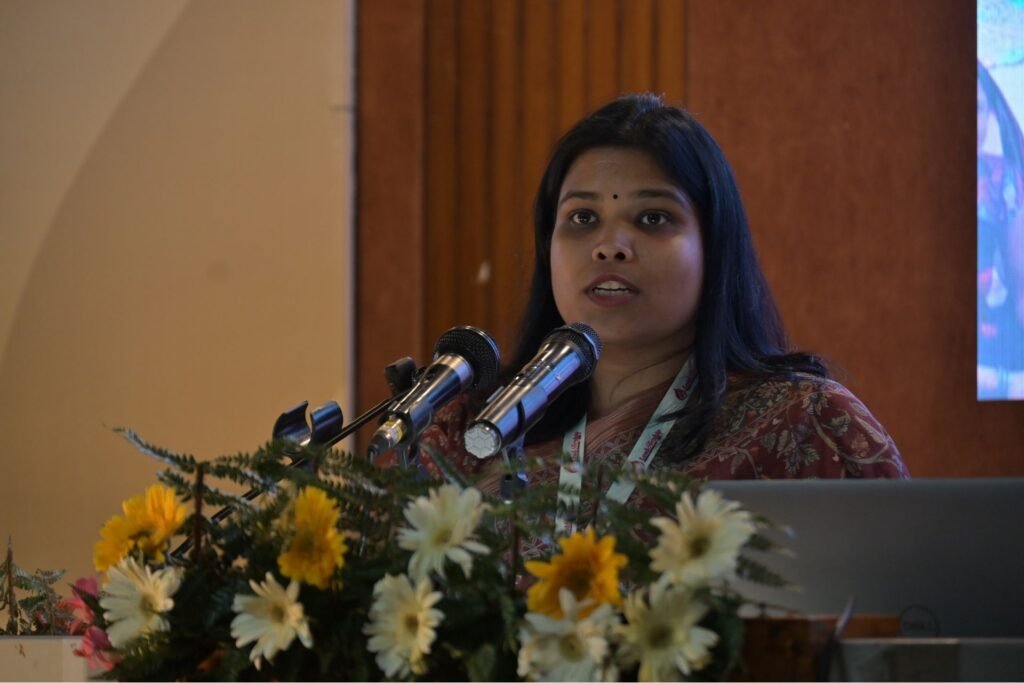
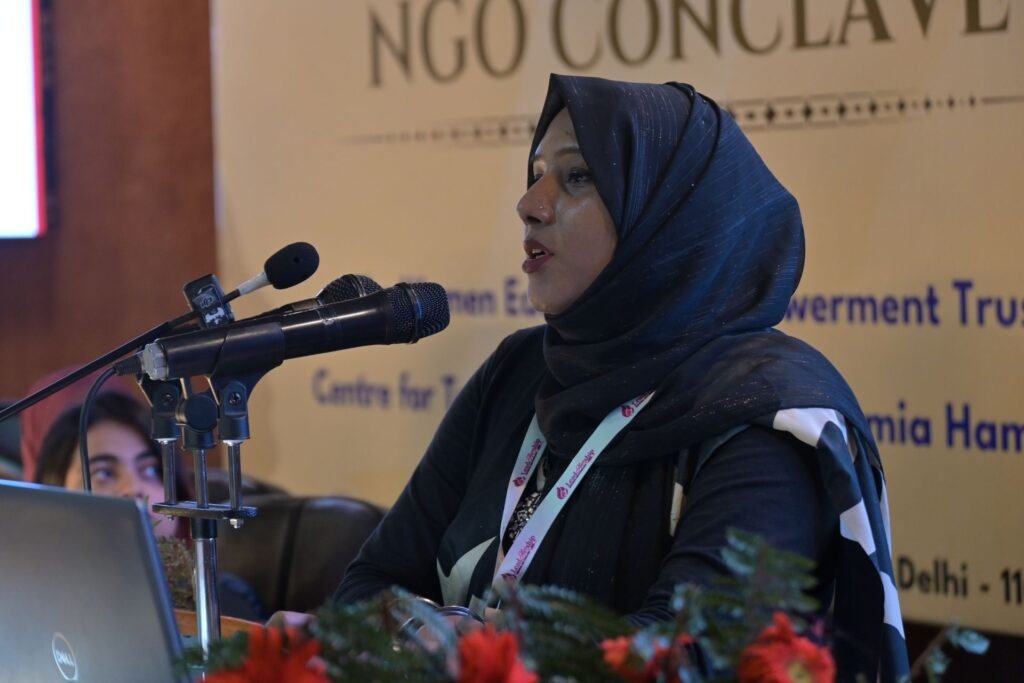
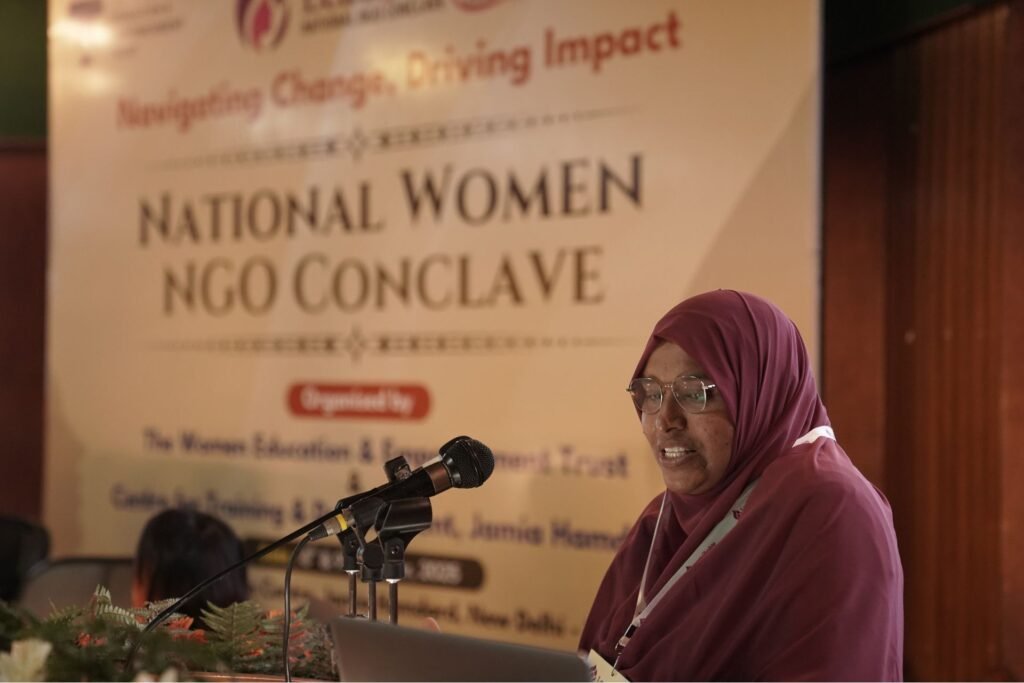
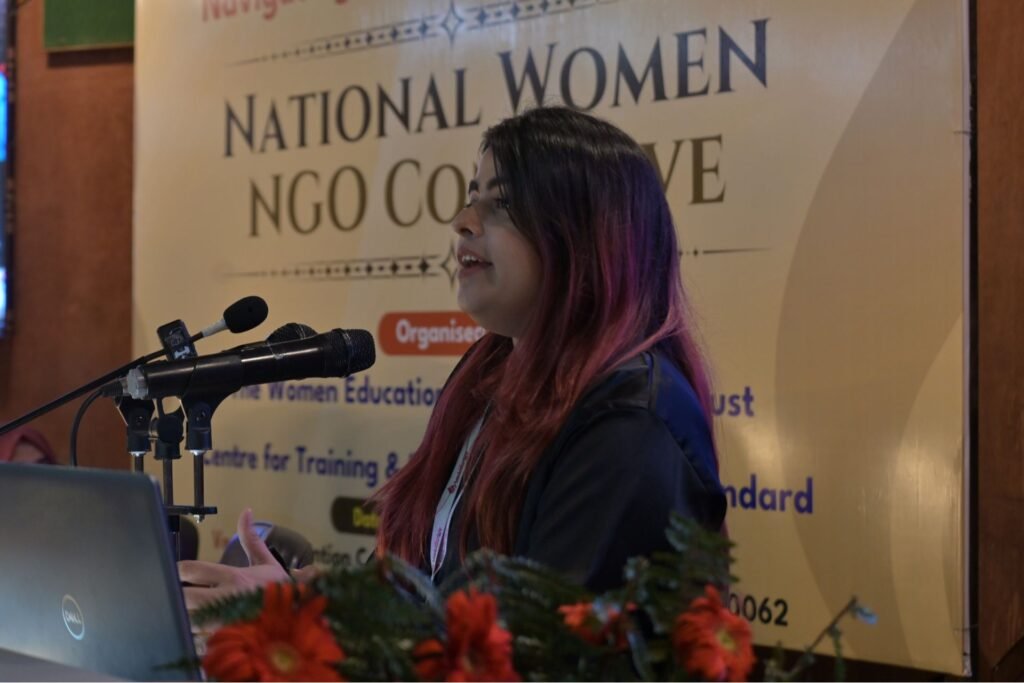
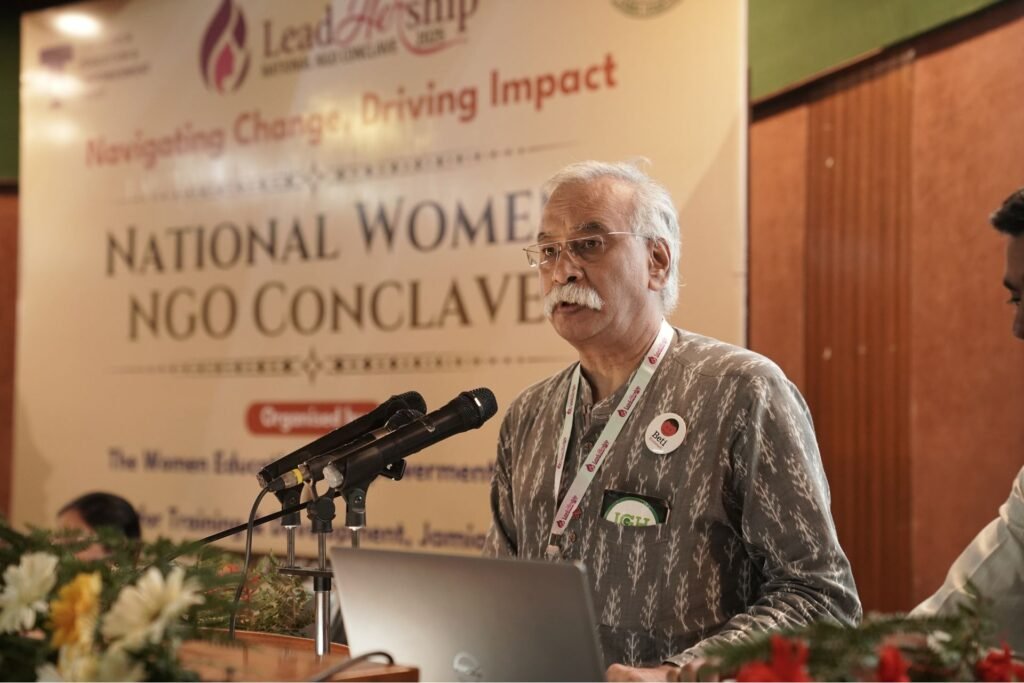
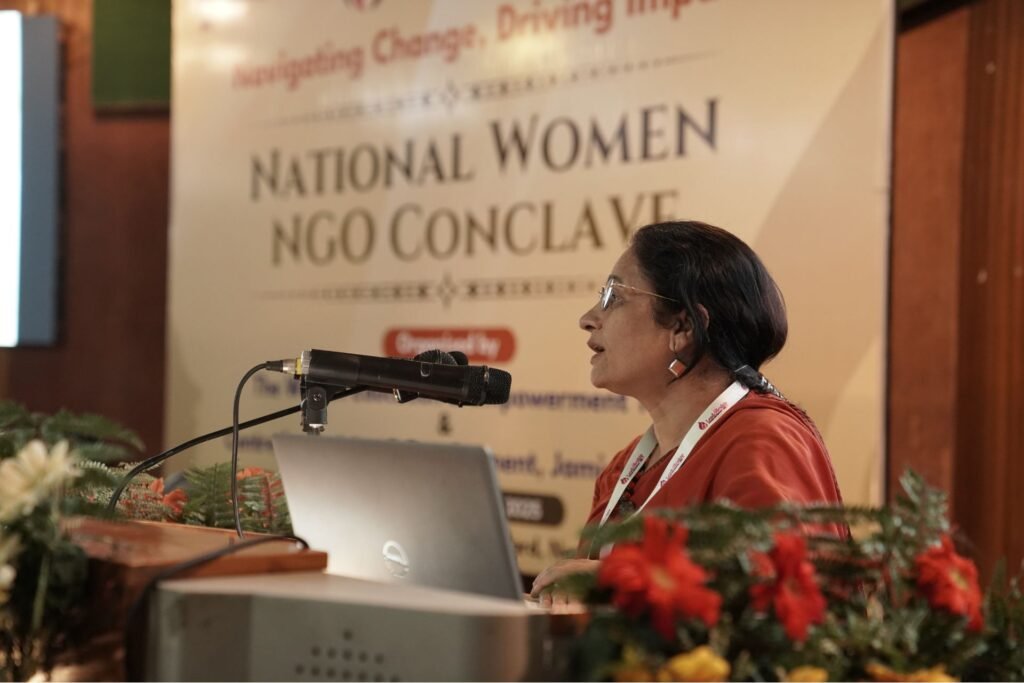
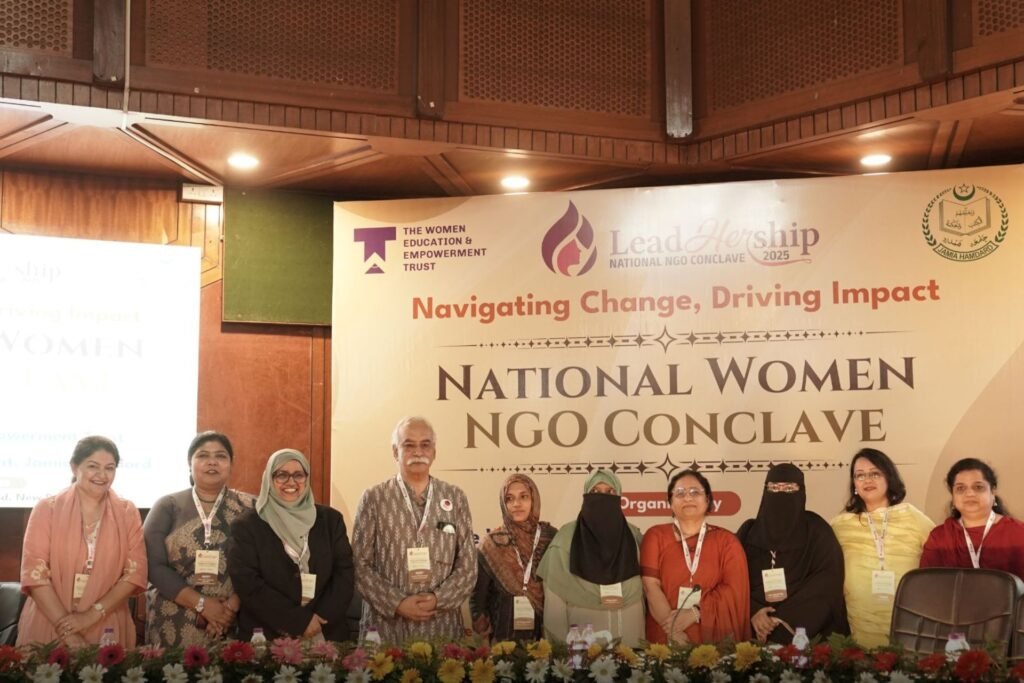
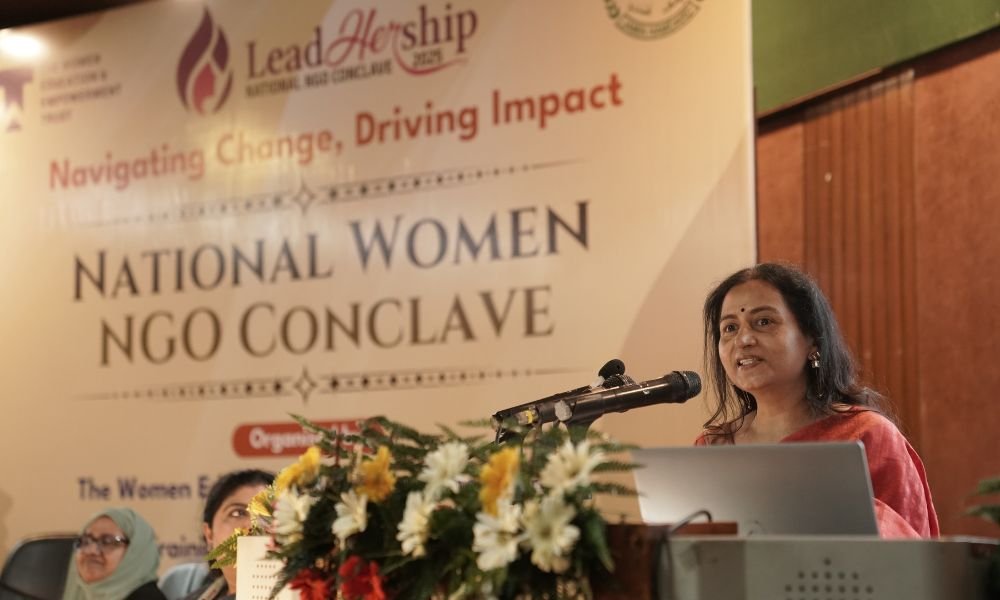
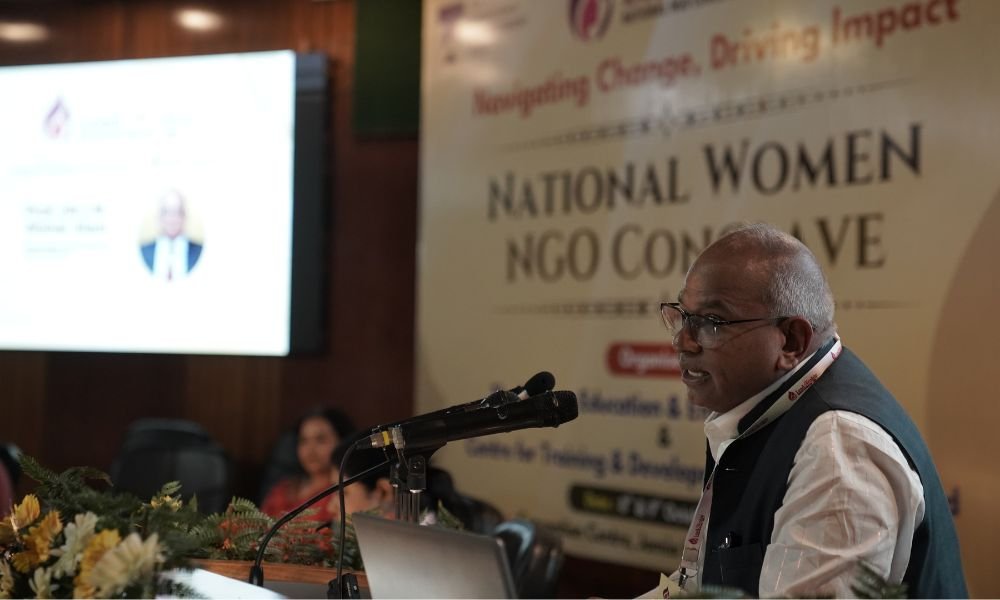
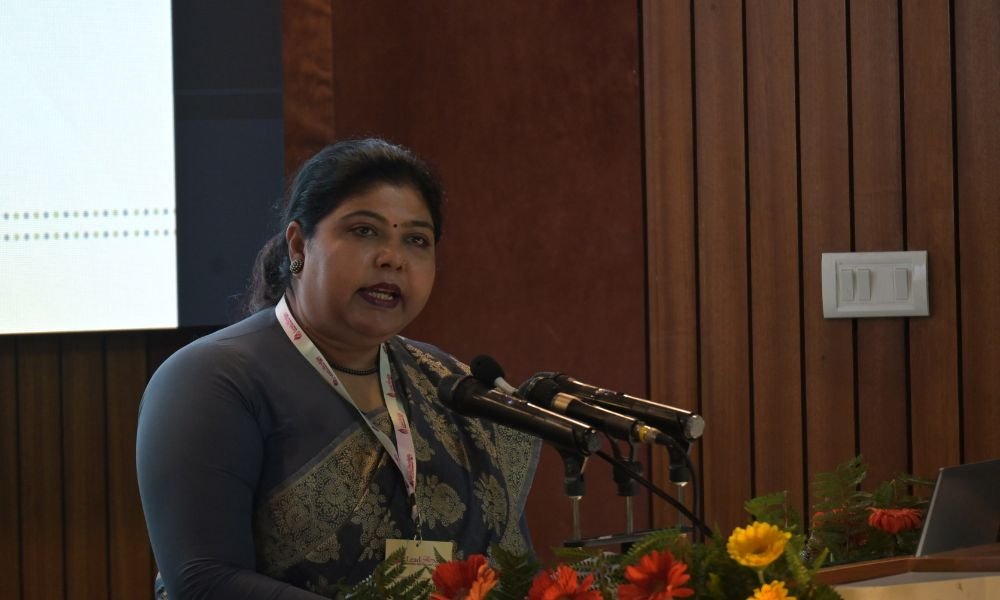
At the National Women NGO Conclave, The Women Education and Empowerment Trust (TWEET) launched “Powering HER Journey: A Guide to Government Welfare Schemes for Women.” This ready-reference handbook brings together state-wise government schemes related to livelihood, healthcare, education, housing, and social security—making crucial information easily accessible to women, NGOs, and community leaders. A significant step toward building stronger and more self-reliant communities.
The Valedictory Session provided a reflective close to the conclave. It began with a warm welcome address, followed by Dr. Sadaf Siraj, Associate Professor from Jamia Hamdard’s Department of Management Studies, presenting a compelling recap of the sessions and the feedback of the participants.
The Guest of Honor, Mr. T. Arif Ali, Chairman of Vision 2026, inspired the audience with his humanitarian efforts in education and relief. He congratulated TWEET and Jamia Hamdard for organising such an impressive conclave. He also shared their personal experience of working on education in the villages of Haryana. Additionally, he spoke about the model of Kerala emphasizing importance of economic empowerment to ensure educational empowerment.
The Guest of Honor, Mr. T. Arif Ali, Chairman of Vision 2026, inspired the audience with his humanitarian efforts in education and relief. He congratulated TWEET and Jamia Hamdard for organising such an impressive conclave. He also shared their personal experience of working on education in the villages of Haryana. Additionally, he spoke about the model of Kerala emphasizing importance of economic empowerment to ensure educational empowerment.
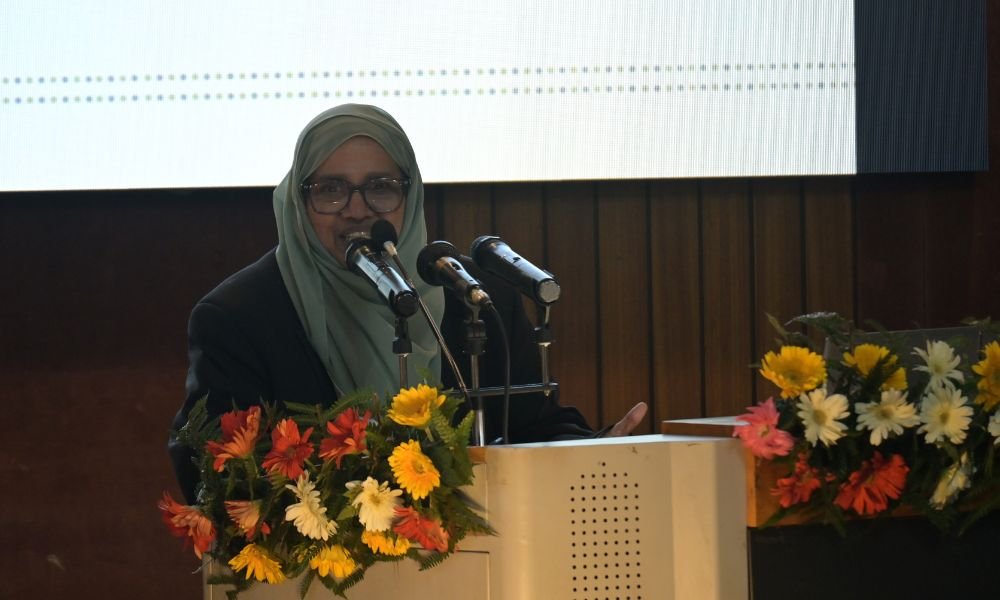
Chief Guest Ms. Abha Rani, the Chairperson and Managing Director (CMD) of the National Minorities Development and Finance Corporation (NMDFC), emphasized on the importance of networking and collaboration. She encouraged the audience to create a network for future collaborations. Abha also added that the NGOs must be updated with the schemes that government provides so that it can reach the grass root beneficiaries.
The presidential address by Prof. (Dr.) M. Afshar Alam, Vice Chancellor of Jamia Hamdard, celebrated the event’s interdisciplinary success. He congratulated the TWEET for organising such a space for dialogue on Women Empowerment.
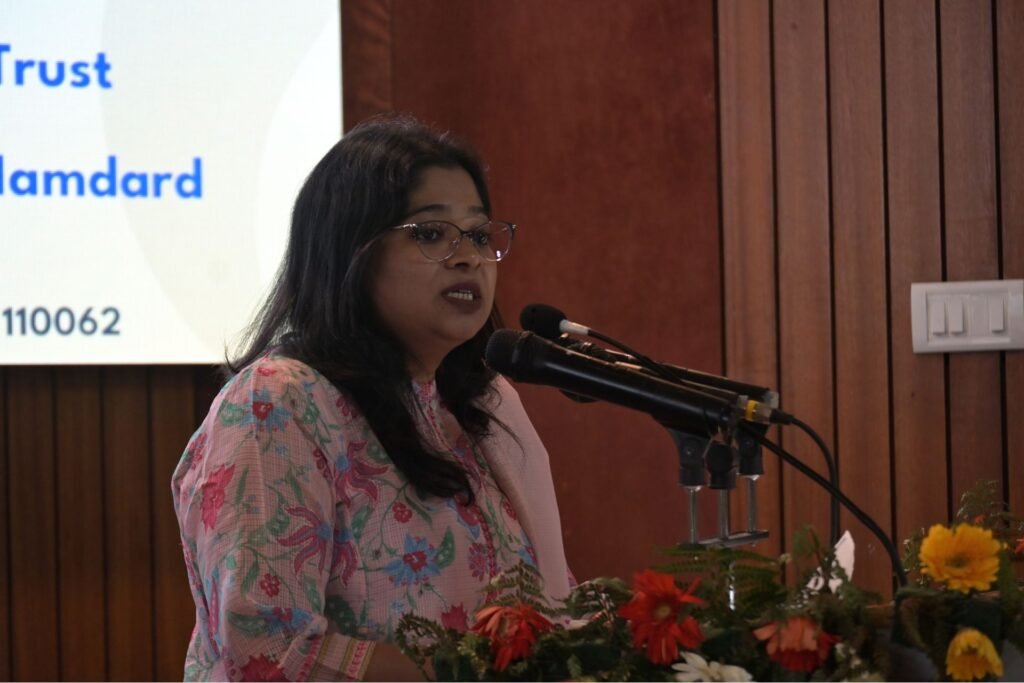
Following this Dr. Sharnas Muthu, Director, TWEET, delivered a heartfelt vote of thanks to the guests, delegates and the organising team. She concluded by saying that “LeadHERship2025 is just a beginning “
The session “Road Ahead: Reinventing Women-Led NGOs” was chaired by Ms. Rahmathunnissa A, Chairperson of TWEET. She invited distinguished speakers to share their experiences and insights on advancing women-led NGOs and promoting inclusive development.
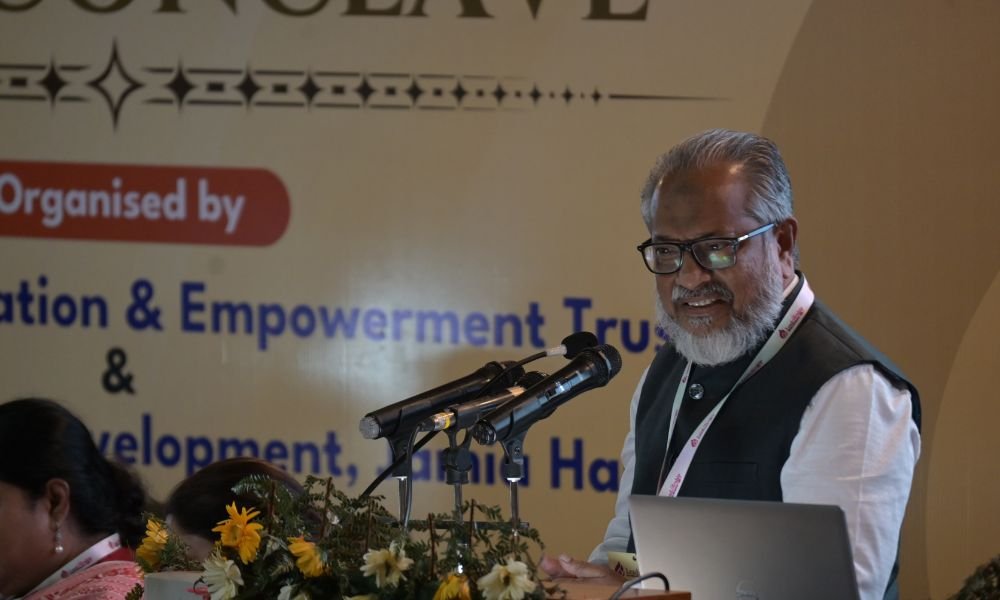
Ms. Abha Rani, Chairperson and Managing Director (CMD) of the National Minorities Development and Finance Corporation (NMDFC), presented the corporation’s vision and initiatives under the Ministry of Minority Affairs, Government of India. She explained that NMDFC’s motto is to empower minority communities, particularly women, through financial inclusion and livelihood opportunities. She outlined the four flagship schemes of the corporation — Term Loan Scheme, Education Loan Scheme, Micro-Financing Scheme, and Virasat Scheme, which supports traditional artisans and craftsmen. Notably, about 90% of the beneficiaries under these schemes are women, reflecting NMDFC’s strong commitment to women’s economic empowerment. Ms. Rani also highlighted the PM Vikas Scheme, a nationwide skill development initiative benefiting over 27 lakh individuals, and informed about NMDFC’s new partnership with the State of Jharkhand through a Memorandum of Understanding (MoU). She concluded by emphasizing NMDFC’s role in fostering self-reliance, financial access, and inclusive growth for minority women at the grassroots.
Ms. Samina Bano, Founder & CEO of the RightWalk Foundation, shared her personal journey of breaking barriers in a highly conservative environment. With education as her tool of empowerment, she rose to become a management consultant in the United States before returning to India to transform the education system. Through her pioneering efforts on the Right to Education (RTE) Act in Uttar Pradesh, over one lakh children have been enrolled in schools, creating pathways for educational inclusion. She concluded by encouraging women leaders to persist despite obstacles, holding firm to their vision of empowerment.
Adv. Sana Siddiqui, Executive Director of Multiple Action Research Group (MARG), New Delhi, focused her talk on the Constitutional values of equality and fraternity. She highlighted the concept of “invisible leadership” — the often-unacknowledged yet impactful role women play across sectors. Advocating for assertive rather than aggressive leadership, she urged women to claim their rightful space in society, affirming that as half the population, women must occupy half the decision-making spaces. She concluded by stressing the importance of self-agency, dignity, and equal participation in leadership and governance.
Ms. Gargi Rawat, Senior News Anchor at NDTV, spoke about the role of communication and media in advancing women’s empowerment. She observed that while mainstream news today often prioritizes sensationalism over social issues, NGOs and grassroots initiatives still carry transformative stories that must be shared. She recalled how NGOs were once demonized but proved indispensable during the COVID-19 pandemic by providing relief and support. Ms. Rawat called on women and NGOs to reclaim their voices, use alternative platforms such as social media, podcasts, and digital storytelling, and actively promote their work.
In summary, the session highlighted diverse pathways for reinventing women-led NGOs — through financial inclusion, education, constitutional rights, and strategic communication. The speakers collectively emphasized the importance of resilience, visibility, and assertive leadership in shaping a more equitable future.
The second session, on the theme “Building Legally Sound NGOs: Compliance, Governance and Transparency,” was chaired by Adv. Sarvar Raza, Managing Partner at Legislegal, New Delhi, and featured distinguished speakers including CA Gulzar Karishma Malik of GK Malik & Associates, Dr. Sakhi John, Academician and Public Health Professional, and Mr. Noufal P.K., CEO of the Human Welfare Foundation, New Delhi.
Opening the session, Adv. Raza emphasized the growing importance of compliance and good governance in ensuring accountability within NGOs and welcomed the panellists.
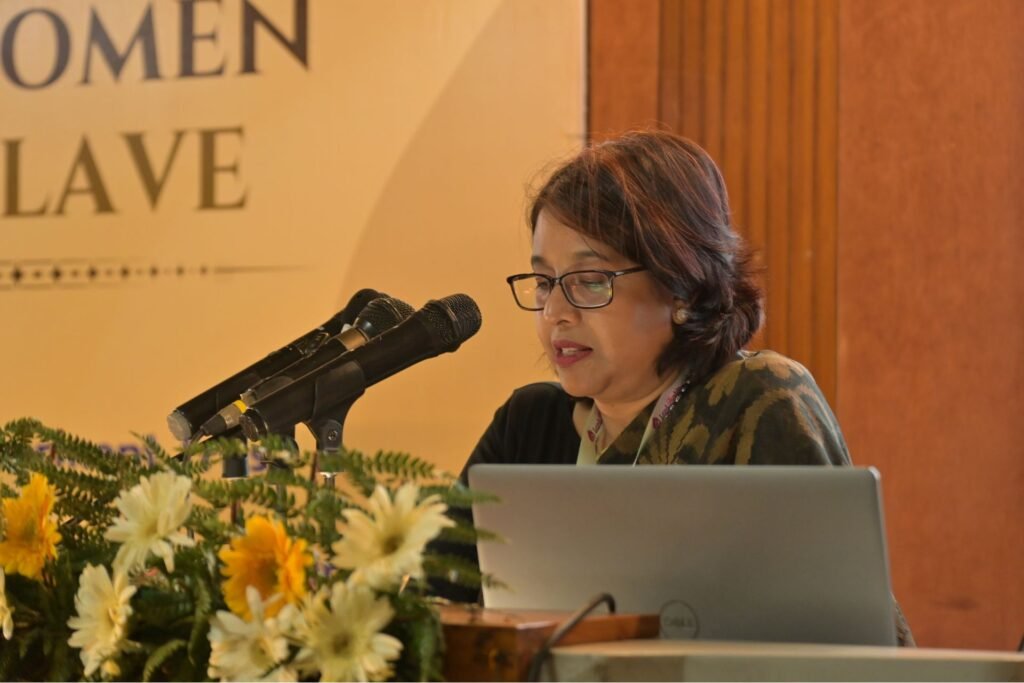
CA Gulzar Karishma Malik, in her remarks, underlined the centrality of compliance and financial discipline in NGO functioning. She stressed that leaders must be financially literate and ensure transparent record-keeping. She highlighted key principles such as maintaining separate books of accounts when linked with businesses, keeping records for at least a decade, and being vigilant about donor transparency. She further identified the five pillars of good governance — Teamwork, Technology, Timeliness, Transparency, and Transformation — encouraging NGOs to view accountability as a mark of pride rather than a burden.
Adv. Sarvar Raza elaborated on the legal side of compliance, stating that adherence to law not only safeguards NGOs from penalties but also strengthens their credibility and growth potential. He urged NGOs to allocate seed funding toward compliance mechanisms, remarking that “NGO laws shouldn’t be taken as a headache.”
Dr. Sakhi John brought in a social perspective, drawing from real-life experiences of women facing poverty, exclusion, and discrimination. He explained the “leaking pipeline” phenomenon that pushes women out of the workforce, and cited innovative solutions such as Karnataka’s Koosina Mane childcare scheme, Kerala’s ASHA workers, and the Kudumbashree movement. He also stressed the need for “patient capital” to support women entrepreneurs and grassroots initiatives. In his closing remarks, he encouraged women to step into public spaces and claim leadership roles in social transformation.
Mr. Noufal P.K. provided a practitioner’s perspective, drawing from his work with the Human Welfare Foundation. He highlighted that the sustainability of NGOs lies not only in compliance but also in collaboration and coalition-building. He stressed the need for stronger networks where organizations can share expertise, pool resources, and jointly advocate for policy change. Mr. Noufal underscored that transparency and governance should be seen as enablers of trust among stakeholders — donors, beneficiaries, and government bodies alike.
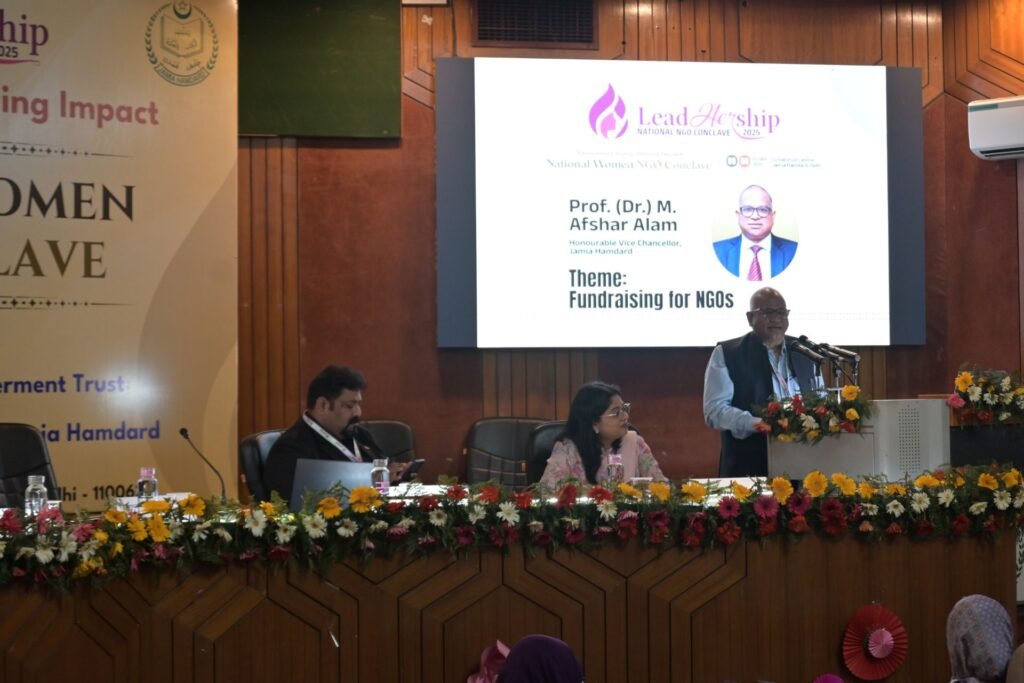
The fourth technical session revolved around the theme “Fundraising for NGOs.” It was moderated by Ms. Ayisha Shaikh, Assistant Professor at the School of Management and Business Studies (SMBS), Jamia Hamdard, and chaired by Prof. (Dr.) M. Afshar Alam, Honourable Vice Chancellor of Jamia Hamdard. The session featured distinguished speakers including Mr. Robin Thomas, Associate General Manager at HCL Foundation, and Mr. Sajid M., Director of Vision 2026.
The discussion opened with an overview of the importance of sustainable fundraising mechanisms for NGOs to ensure long-term impact. Prof. Afshar Alam highlighted the statutory compliances necessary for accessing grants, such as 12A and 80G certification under the Income Tax Act, registration on the NGO Darpan portal of NITI Aayog, and registration with the Ministry of Corporate Affairs for corporate funding. He further elaborated on the wide range of government schemes available for NGOs, emphasizing the role of transparency and regular auditing in building donor confidence. Prof. Alam also underscored the significance of leveraging CSR funds, central and state government programs, and fostering robust NGO–government partnerships for impactful interventions.
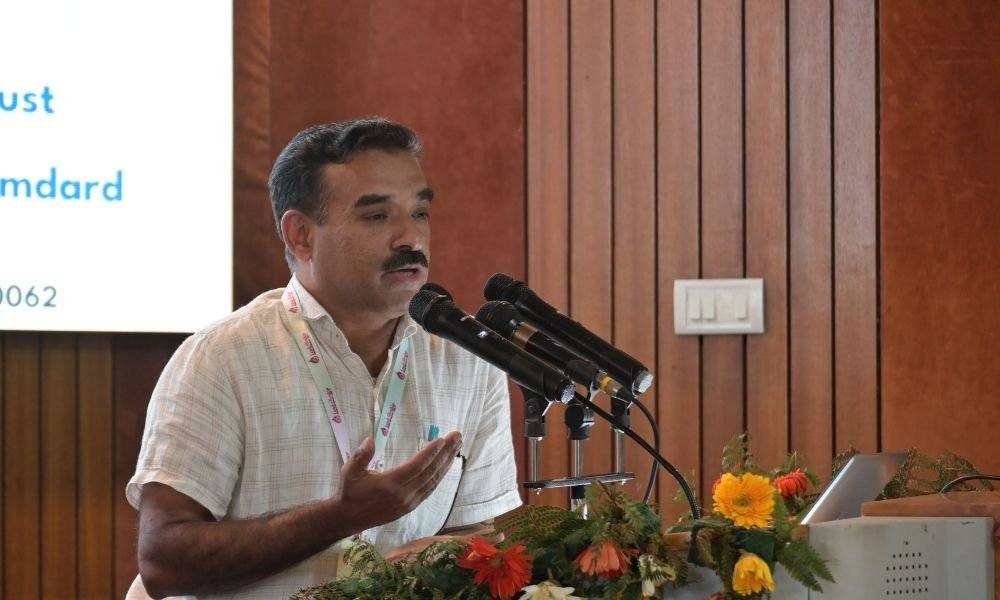
Mr. Robin Thomas spoke about the transformative potential of NGO–corporate collaborations. Citing HCL Founder Mr. Shiv Nadar’s words, “Commitment and Purpose are the core of Giving,” he stressed the importance of aligning NGO projects with measurable social outcomes to attract corporate and philanthropic support. He provided insights into current CSR trends, corporate perspectives on funding priorities, and NGO strategies for proposal writing. Mr. Thomas explained that CSR agencies typically allocate around 40% weightage to an NGO’s organizational strength and 60% to the quality of its proposal. An effective proposal, he noted, must present a strong problem statement and clearly answer the “Five Ws and One H” of the intervention. He also highlighted the importance of inclusivity, rigorous screening, and evaluation processes in CSR partnerships.
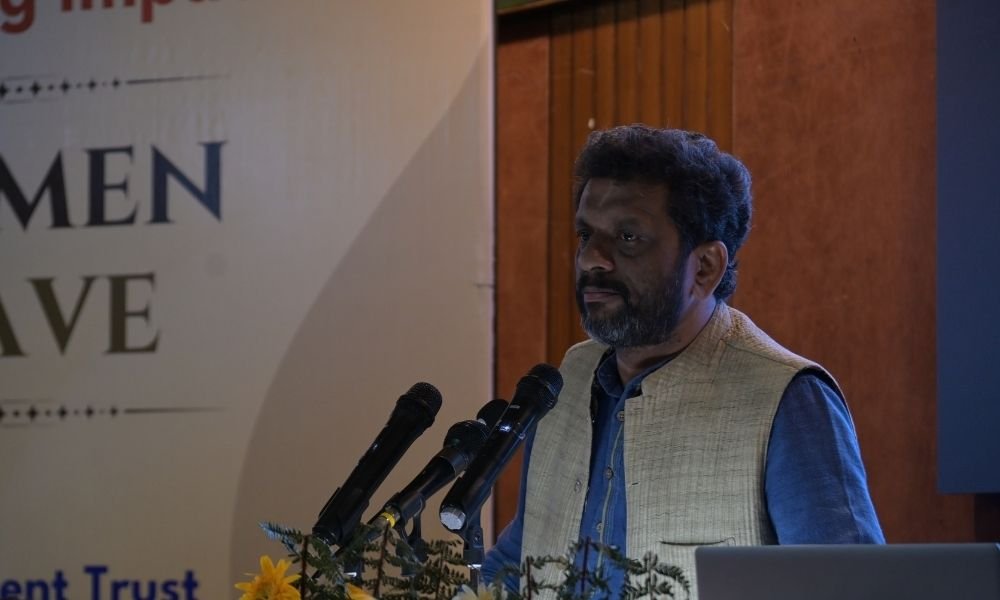
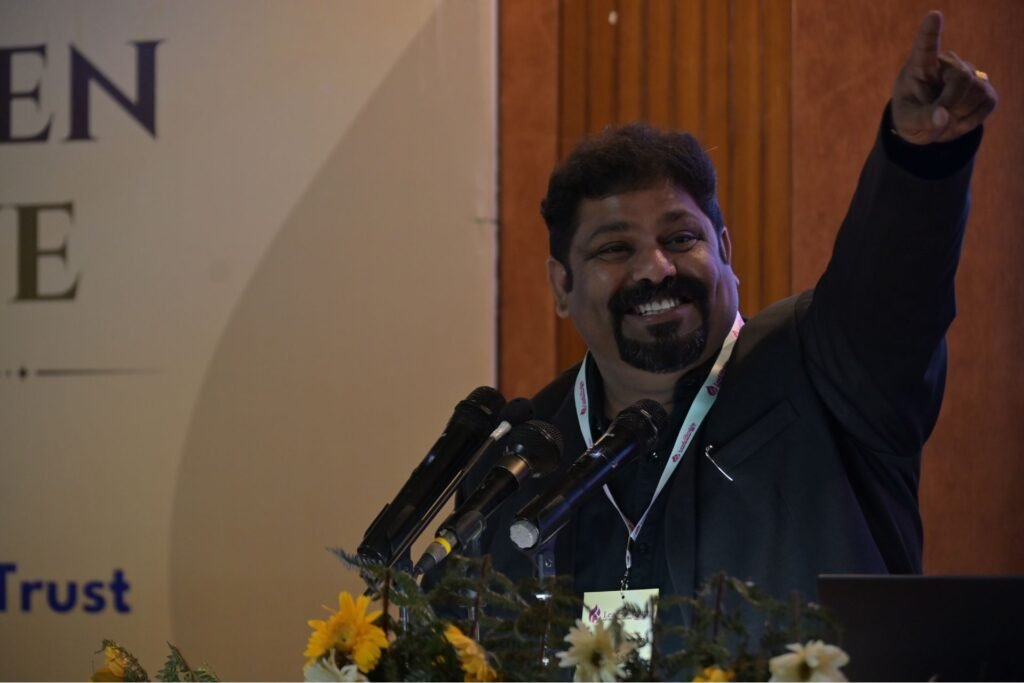
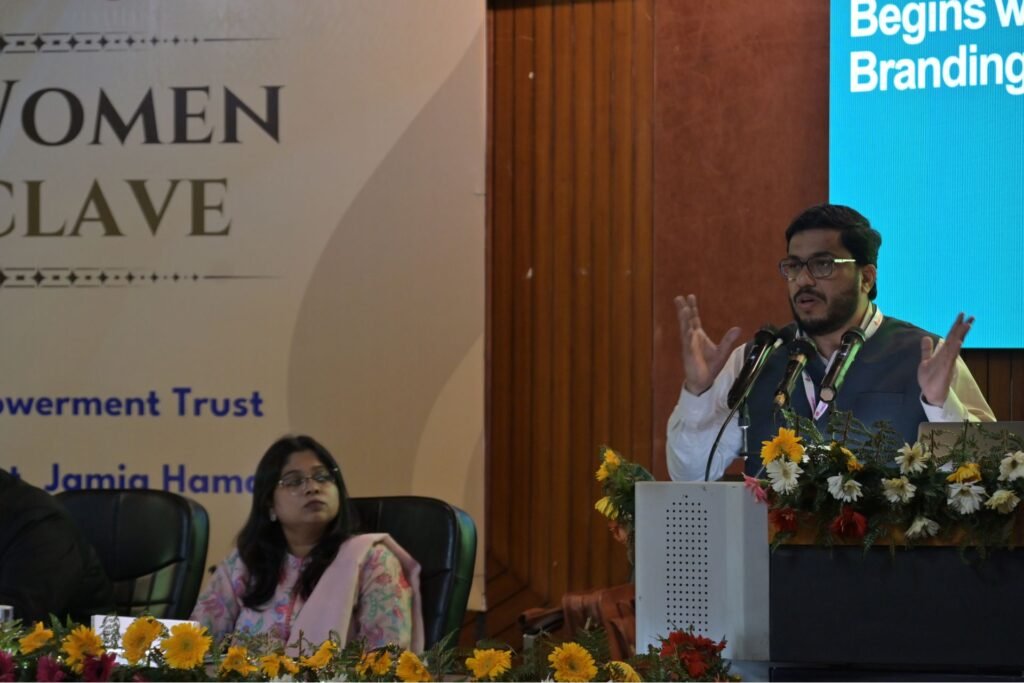
Mr. Sajid M. addressed the challenges of fundraising, stressing the crucial role of branding in enhancing visibility and credibility. He emphasized that effective NGO branding directly influences the ability to secure funds. Mr. Sajid also discussed crowdfunding as a strategy, underscoring the power of storytelling and creating emotional connections with causes. He concluded by highlighting the role of public relations and social media campaigns in building trust and visibility, stating that “Building Trust is equal to Building Funds.”
The second session focused on the theme “Women Leadership in NGOs” and was chaired by Prof. Neelam Sukhramani, Department of Social Work, Jamia Millia Islamia, New Delhi.
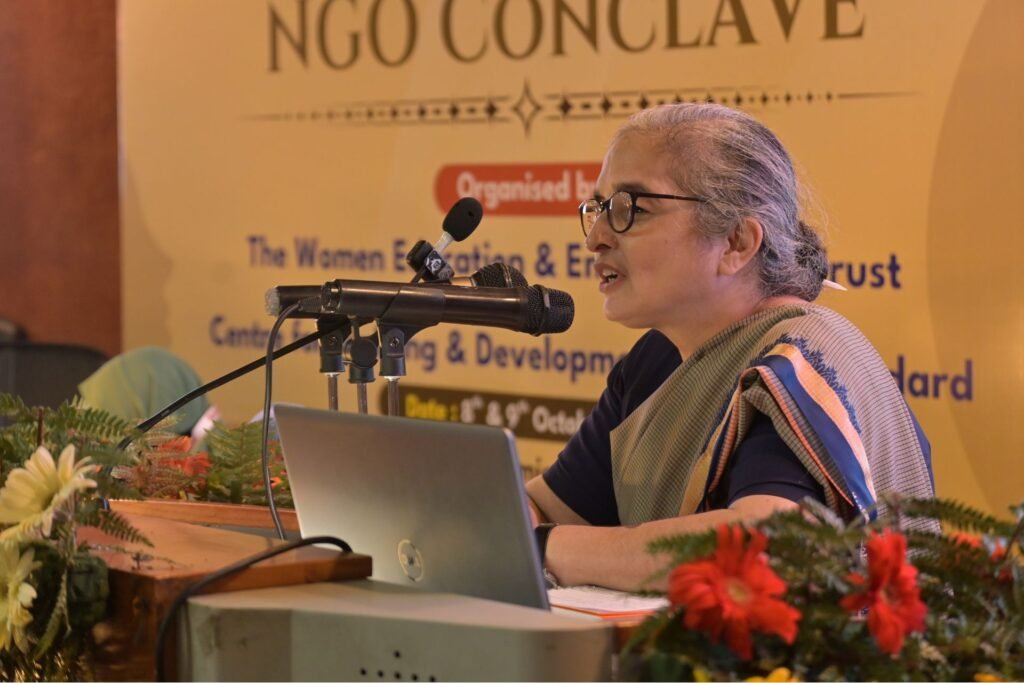
In her opening remarks, Prof. Sukhramani highlighted the transformative role of women leaders in community-based organizations, noting how they bring empathy, inclusivity, and sustainability to social change. Speaking on the topic “Leadership”, she addressed the challenges faced by leaders, including expectations, vulnerabilities, and organizational demands. She also suggested practical solutions to overcome these challenges and emphasized that leadership issues must be viewed in a broader context—beyond the boundaries of any single organization.
The discussion also featured Ms. Hena Parveen, a prominent educationist, who shared her personal experiences. She pointed out that while women often serve as frontline workers, they remain underrepresented in boardrooms and decision-making spaces. She showcased inspiring examples of women leaders, such as those in Rajasthan who developed innovative solutions for water issues and worked to preserve indigenous knowledge. Ms. Parveen also highlighted structural barriers, including the informal nature of NGO work that can marginalize women, and the lack of strong networks that restricts their opportunities. Her powerful message left a mark on the audience: “Gender equality is not a women’s issue, it’s a human issue.”
Ms. Shaista Rafat, General Secretary of TWEET, shared her journey of mobilizing women through collective action, advocacy, and skill-building initiatives. She emphasized that women’s keen observational skills and innovative thinking make them strong leaders. Importantly, she noted that true leadership lies in creating more leaders, not followers, and concluded by presenting strategies to address practical challenges faced by women in NGO leadership.
The third session of the day focused on “Spotlighting Best Practices” with the objective of showcasing innovative women-led NGOs from across India that are implementing successful models of women empowerment. The session was moderated by Dr. Nudrat Moini Rahman, Associate Professor, School of Management and Business Studies (SMBS), Jamia Hamdard.
Dr. Habeebul Rahiman V.M, General Secretary of the Model Village Trust (MVT), Delhi, spoke about the pivotal role of villages in India’s development. Since its inception, MVT has adopted 43 villages across 8 states, implementing transformative initiatives. In addition to general development projects, the Trust has designed targeted programs for women, including maternal health initiatives, menstrual hygiene management, monthly vaccination drives, and adult literacy centres for women.
Adv. Faritha J, Vice President of the Women’s Initiative to Nurture Growth of Society (WINGS), Kerala, highlighted the organization’s efforts in promoting women’s entrepreneurship, legal awareness, and the formation of self-help groups. She elaborated on WINGS’ four specialized cells: the Legal Cell, which supports law professionals and women seeking legal awareness; the Fitness Cell, which focuses on mental and physical well-being; the Empowerment Cell, dedicated to leadership, career growth, self-defence, and financial stability; and the PR Cell, which works to strengthen outreach and visibility.
Ms. Kriti Agarwal, representing the Self Employed Women’s Association (SEWA), Ahmedabad, shared insights on SEWA Bharat—founded in 1984 as a federation of women-led organizations supporting informal women workers across India. SEWA empowers women through livelihoods, social security, education, and health, while advocating for self-reliance, leadership, and social justice. She highlighted key initiatives such as the Aagewan Vikas Programme (AVP), Youth Development Programs, SEWA Shakti Kendras, and NAVNIT, all of which nurture grassroots women leadership.
Adv. Huma Begum, Women’s Coordinator at the Society for Bright Future (SBF), Delhi, emphasized the need for gender-sensitive interventions in emergencies. She shared SBF’s experiences of deploying women volunteers during crises, underlining the importance of women supporting each other and creating a chain of partnerships for greater impact.
The youngest speaker of the session, Ms. Asya Sumair from Girl Up India, reflected on how young women are mobilizing in universities and educational spaces. Girl Up, initiated by the UN Foundation in 2010, now has 1,123 clubs across India with over 25,000 members. Its work spans gender justice, combating gender-based violence, and promoting mental health. Ms. Sumair concluded with Project SURKH, an initiative aimed at normalizing conversations around menstrual hygiene and increasing access to sanitary napkins.
The technical session on “Scope of Civil Society Organizations” was held on the first day following the inaugural programme. It was chaired by Dr. Indu Prakash Singh, an author, motivational speaker, and consultant to several leading voluntary organizations.
In his opening remarks, Dr. Singh highlighted the expanding role of civil society organizations (CSOs) in addressing social issues, bridging governance gaps, and empowering marginalized communities. He emphasized the importance of innovation in the NGO sector, noting that creative approaches can enhance field-level impact and efficiency. Concluding his address, he remarked: “Men are behind women in development, and once man evolves fully, he also becomes woman.” His insightful chairpersonship set the tone for a stimulating and engaging discussion.
The session featured thought-provoking presentations by eminent speakers: Professor Arvinder Ansari, Department of Sociology, Jamia Millia Islamia, underscored the critical role of grassroots organizations in connecting government initiatives with community needs. She reflected on the pervasive nature of patriarchy that women face at every level of society and how NGOs are tackling these challenges. She encouraged participants to view such platforms as powerful tools to amplify collective voices.
Ms. Farah Sheroz, Founder and CEO of Nurture Life, Uttar Pradesh, shared her experiences as a social entrepreneur. She addressed key challenges faced by NGOs, including funding gaps, bureaucratic hurdles, and limited participation in decision-making spaces. She advocated for collaborative networks as a means to overcome these barriers. For financial sustainability, she suggested strategies such as adopting membership models, pursuing social entrepreneurship, and building alliances. She emphasized that civil society must actively engage with policymakers and provide alternative solutions, concluding that: “Civil society organizations are not only important but indispensable—they exist to bring solutions.”
The session concluded with an engaging open discussion, where participants shared their insights, perspectives, and experiences on the evolving role of CSOs
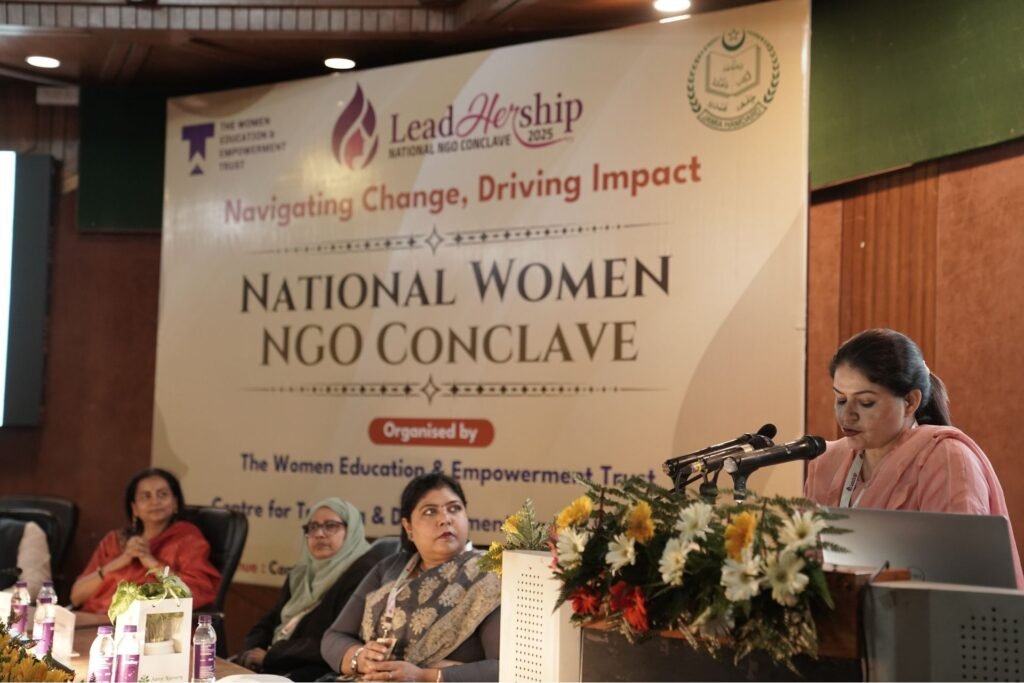
The National Women NGO Conclave, LeadHERship 2025: Navigating Change, Driving Impact, begins at the Jamia Hamdard Convention Centre, New Delhi. Jointly organized by The Women Education and Empowerment Trust (TWEET) and Jamia Hamdard University, the conclave brings together women leaders, grassroots activists, academicians, policymakers, and civil society representatives to chart inclusive and sustainable pathways for development.
Ms. Prachi Kaul, Director-India, Shastri Indo-Canadian Institute, inaugurated the conclave. In her address, she emphasized that women should be at the core of development agendas rather than at their periphery. Highlighting the importance of collaboration and shared expertise, she remarked, “If tides and waves (institutions) are in support of the ship (women), LeadHERship is going to sail successfully.”
Prof. (Dr.) M. Afshar Alam, Vice Chancellor, Jamia Hamdard, presided over the conclave. In his address, he urged women-led NGOs to move beyond traditional frameworks and focus on creating sustainable solutions. Emphasizing the need for greater representation of women in decision-making spaces, he stated, “We must invent a new India where every woman achieves autonomy over her choice.” He concluded with the words, “नारी शक्ति सम्मान ही राष्ट्र का सम्मान” – Respect for women’s power is respect for the nation.
rof. (Dr.) Reshma Nasreen, from the School of Management & Business Studies and Chairperson of the Centre for Training and Development, Jamia Hamdard, delivered the welcome address. In her remarks, she emphasized the crucial role of NGOs in advancing women’s development at the grassroots level, stating, “The government makes the policy, and NGOs ensure these reach the most marginalized communities.”
Ms. Rahmathunnissa A, Chairperson of TWEET, addressed the conclave, emphasizing the importance of opportunities and inclusiveness. “We women don’t need empowerment; what is lacking are opportunities and inclusiveness,” she stated. She further highlighted KISS—Knowledge, Intention, Skills, and Strategy—as the key pillars for the growth and effectiveness of NGOs.
The inaugural session concluded with a vote of thanks by Prof. (Dr.) Syeedun Nisa, Professor, School of Management and Business Studies, and Honorary Director, Centre for Training and Development, Jamia Hamdard
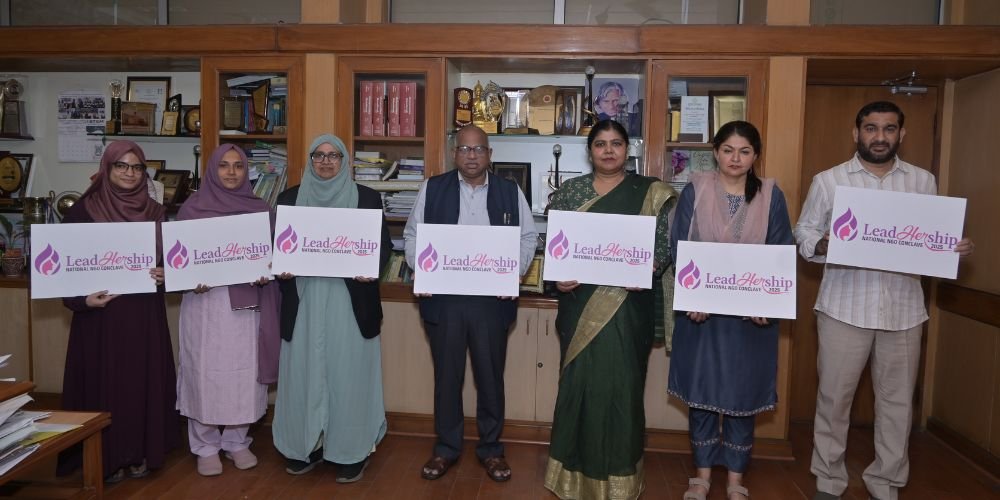
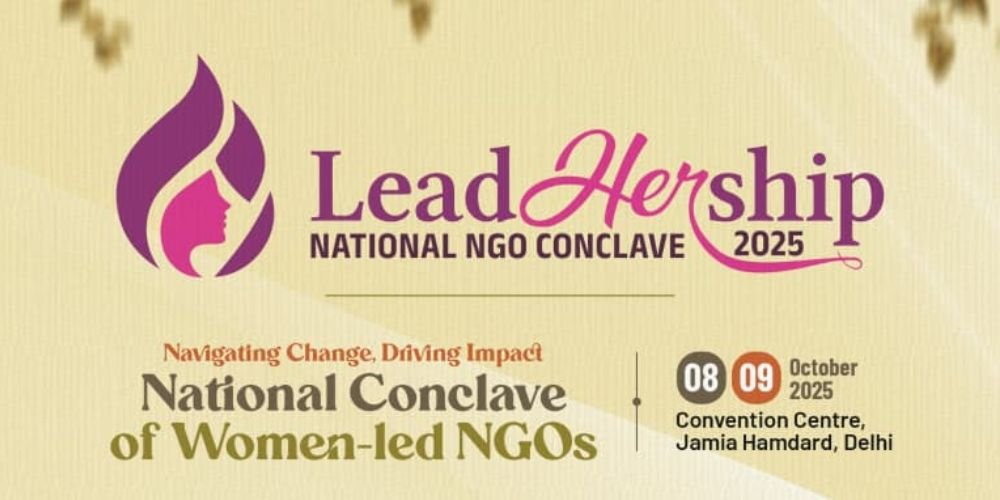
The Women Education and Empowerment Trust (TWEET), in collaboration with Jamia Hamdard, unveiled the logo for the upcoming LeadHERship 2025 – National Women NGO Conclave. The national conclave is scheduled to be held on 8th and 9th October 2025 at the Jamia Hamdard Campus, New Delhi.
The logo of the conclave was unveiled at the Vice Chancellor’s Office by Professor Afshar Alam, Vice Chancellor, Jamia Hamdard, in the presence of Rahamathunnisa A, Chairperson-TWEET; Professor Reshma Nasreen, Chairperson Centre for Training and Development, Professor Sayeedun Nisa, Department of Management & Honorary Director-Centre for Training and Development, Jamia Hamdard and Dr Sharnas Muthu TT, Director-TWEET.
Speaking at the ceremony, the organizers from TWEET noted that LeadHERship 2025 will serve as a dynamic platform to celebrate women leaders. Through this conclave the organisers wish to encourage grassroots action, and build collaborations among women-led organisations and NGOs working for social change.
The two-day conclave plans to bring women-led organisations, social activists, development professionals and change-makers from across the country on a single platform and will feature expert panel discussions, keynote addresses, interactive workshops and networking sessions.
Speaking to Vartha Bharthi, the Director TWEET, Sharnas said, “The two-day conclave will bring together women-led organisations, social activists, development professionals and change-makers from across the country on one plantform.” She further stated that the program will be an avenue to strengthen women’s leadership in the NGO sector and will feature expert panel discussions, keynote addresses, interactive workshops and networking sessions designed to inspire collective action.
Registrations for the conclave are open. Interested NGOs, activists and individuals can register through the official link to be shared shortly on TWEET’s website. For further details contact leadhership.ngoconclave@gmail.com or call 9999677140.